Celebrant-Led Wedding Ceremonies: What to Expect on Your Wedding Day
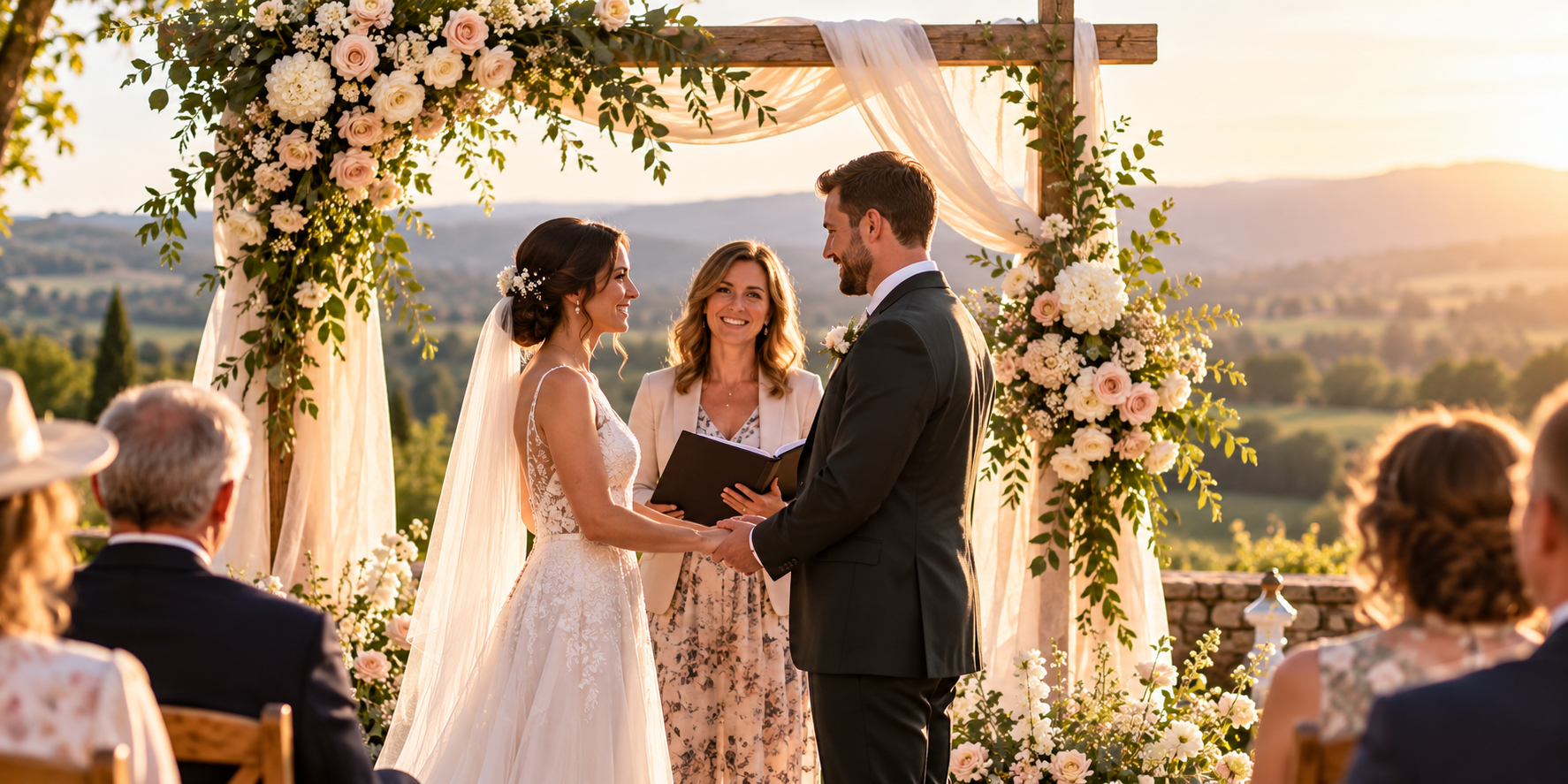
Planning a wedding involves many decisions, from choosing a venue to organising the reception. One decision that can shape the atmosphere of the day is how your wedding ceremony will take place. A celebrant-led wedding offers couples the opportunity to celebrate their relationship through a ceremony shaped around their wishes, values and story.
At LevFearn Celebrant, the focus is on helping couples create meaningful celebrations that reflect what matters to them. If you are considering this type of ceremony, understanding how it works can help you decide whether it suits your wedding plans.
What Is a Celebrant-Led Wedding Ceremony?
A celebrant-led wedding ceremony is a celebration conducted by a celebrant rather than following the format of a civil ceremony conducted by a registrar. It allows couples greater flexibility over the ceremony's structure, wording and atmosphere.
Depending on your preferences, the ceremony might include personal vows, readings, music, symbolic rituals and contributions from family members or friends.
Some couples choose a relaxed outdoor celebration, while others prefer an intimate gathering at a favourite venue. The format can vary according to your plans and the experience you want to create.
What Happens Before the Wedding Day?
The ceremony usually begins taking shape well before the wedding itself. Understanding the preparation process can help you know what to expect.
Initial conversations and planning
You will discuss your ideas, preferences and expectations with your celebrant. This is an opportunity to explain the atmosphere you want, share important details about your relationship and ask practical questions.
You can also discuss the ceremony's timing, location and the people you would like to involve.
Developing the ceremony
Your celebrant can use the information you share to develop a ceremony that reflects your plans. This may involve discussing the order of events, readings, vows, music and any symbolic elements you want to include.
The aim is to establish a clear structure while ensuring the ceremony feels appropriate for you as a couple.
Confirming the arrangements
As the wedding approaches, you can review the practical details, including timings, the ceremony location and coordination with your venue or other suppliers.
Knowing what will happen and when can help you feel more prepared when the day arrives.
What Happens During a Celebrant-Led Wedding?
Although every ceremony is different, understanding a typical sequence can help you picture how the occasion might unfold.
1. Guests arrive and take their seats.
Your guests gather at the ceremony location while any final arrangements are made. Music may be played as everyone settles in.
2. The ceremony begins.
The celebrant welcomes your guests and introduces the occasion, helping establish the atmosphere for the celebration.
3. Your story and promises are shared.
Depending on the ceremony you have planned, this part might include a reflection on your relationship, personal vows, readings or contributions from loved ones.
4. Symbolic moments take place.
Some couples choose to include a meaningful ritual, such as handfasting or a unity ceremony. Others prefer a simpler format focused on their promises to one another.
5. The ceremony concludes.
The celebrant brings the ceremony to a close, and the couple and guests move on to the next part of the wedding day.
This is only an example. Your ceremony can follow a different order depending on your preferences, venue and plans.
Can You Choose Where and How the Ceremony Takes Place?
One of the attractions of a celebrant-led ceremony is the flexibility it can offer when planning the celebration.
Depending on the celebrant's arrangements and the venue's requirements, you might consider a garden, a country house, a private venue or another meaningful location.
You can also discuss the atmosphere you want to create. Some couples prefer a formal and traditional approach, while others want something informal, contemporary or light-hearted.
If you are exploring your options, LevFearn Celebrant's services across the UK provide a starting point for understanding the different types of celebrations available.
Are Celebrant-Led Wedding Ceremonies Legally Binding?
This is an important practical consideration when planning your wedding.
In England and Wales, a celebrant-led ceremony does not automatically create a legally recognised marriage. Couples who want to marry legally must make the appropriate legal arrangements separately, according to the applicable requirements.
The legal process and the celebrant-led celebration can therefore serve different purposes: one establishes the legal marriage, while the other provides an opportunity to celebrate your relationship in a way that reflects your wishes.
Make sure you understand the arrangements required for your circumstances and confirm any relevant details with the appropriate registration service.
Is a Celebrant-Led Wedding Right for You?
This type of ceremony may suit couples who want greater flexibility over the content, structure and atmosphere of their celebration.
It can be particularly appealing if you want to include personal stories, meaningful rituals, family traditions or contributions from people close to you.
However, the right choice depends on your priorities, budget, venue and legal arrangements. Taking time to understand the options will help you decide how you want to celebrate your relationship.
Begin Planning a Ceremony That Reflects You
Your wedding ceremony is an important part of your day, and understanding how it works can make the planning process feel more straightforward.
If you would like to learn more about LevFearn Celebrant and the approach to creating meaningful ceremonies, visit the LevFearn Celebrant.
With a clear understanding of the process and the arrangements involved, you can make informed decisions about the celebration you want to create.